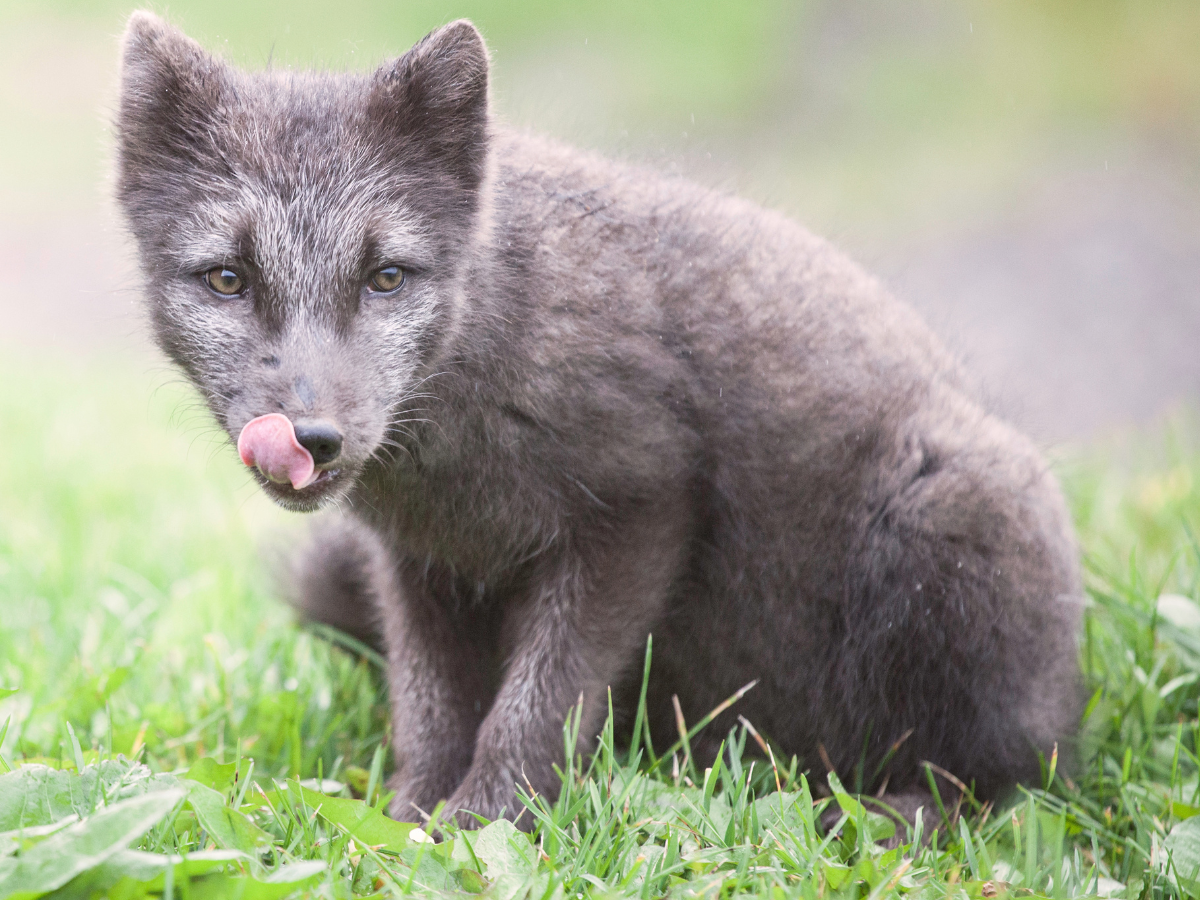
Jarl the fox has received a lot of attention lately in regard of the European handball tournament, so we think it is best to get to know the breed.
Jarl is an arctic fox, Alopex lagopus. There are two color variants of the arctic fox, white and peat red, and Jarl is peat red. White foxes are almost completely white in winter, but grey-brown on the back, outerlimbs and on top of the tail, but otherwise light grey in summer. The peat red ones are dark brown throughout the year, but in winter coat, light wind hairs are sometimes noticeable, which makes them look gray. The white color is recessive, which means that the gene that causes white color must be in a double dose or have been inherited from both parents for the animal to be white, otherwise the fox will be brown.
Peat red fox
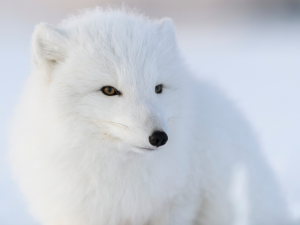
White fox
The arctic fox is widespread on islands and continents all around the arctic region. In Iceland, the fox can be found all over the country except on glaciers, the deserts of the highlands and islands around the country. It is generally believed that there are most foxes in the vicinity of rich coastlines, but the density is considered to be the highest in the Hornstrandir Nature Reserve.
Vulpes velox and Vulpes macrotis are the species most closely related to the arctic fox, but they live on opposite sides of the Rocky Mountains of North America. They are similar in size but not as cold-adapted as the arctic fox. Their common ancestor lived less than one million years ago, and the arctic fox is therefore considered to be a true offspring of the Ice Age cold. The arctic fox has a very thick winter coat and is well adapted to extreme cold and is believed to survive temperatures of up to -70°C before it begins to shiver for warmth. The arctic foxes are often fully furred in winter. It helps that it has rounded and relatively small ears, a short neck and a short but furry tail. The way of life of mammals in the Arctic, and thus of the arctic fox, is very variable. The summer is used to parenting, but in the winter, preparation for mating season and pregnancy is mainly on the agenda. This includes the departure of young foxes from home in search of a mate and habitat areas. Naturally, food requirements are quite different depending on season, there should be enough food in the summer, but it can be scarce in the winter. But foxes think ahead and reserve fat and hide food on the river during the summer to have for the winter.
The arctic fox came to Iceland at the end of the last glacial period on glaciers from East Greenland and has managed to persevere here despite extremely poor birdlife at the beginning. The arctic fox is the only land mammal in Iceland that has not been imported by humans. Other land mammals have been imported for use or as pets, although others have accidentally arrived here with people. .
Arctic fox is an opportunist when it comes to food choices, and therefore its food choices vary in Iceland according to regions and seasons. In a study conducted in Ófeigsfjörður in 1978-1979, it was found that the most common food during the winter was seabirds, as they are common there. In summer, however, they mainly ate vultures and eiders, and in late summer they found some berries. Information from fox hunters has also been scrutinized, but it mainly states that terns, blackbirds and eiders are rarely found on spruces that are more than 5 km from the sea, while the frequency of sparrows, waders, raptors and geese increases with increasing distance from the sea. In summer, lamb carcasses are found on about 20% of foxes habitats, and their origin is both the work of foxes hunting for sheep, but also foxes that find carcasses and pull them to the spruce.
In Jónsbók, around the year 1295, the following clause was published: “that every farmer who owns or keeps 6 sheep, he must hunt every year 2 young foxes, or one old fox, or pay 3 cubits as food for the journey; and the person who has not finished it on Friday in the travel days, must pay 4 alders in addition, which the district governors must demand and accept, both as a debt of knowledge, and the applicant will receive half the fine.” This payment, which was called animal toll, was in place for 6 centuries or until the year 1892. The animal toll went to fox hunters who were hired to do the hunting and keep foxes away from the farms and other valuables they sought. In the 20th century, the laws changed, which then began to focus mainly on how payments to hunters were divided between municipalities, county funds and the state treasury. But in 1994, a major change occurred with the introduction of the Act on the Protection, Conservation and Hunting of Wild Birds and Wild Mammals. According to them, the fox is now protected as it should not be endangered by hunting or other activities. This does not mean that the fox is completely protected, but fox hunting is not permitted as wildlife is protected according to the Nature Conservation Act. In the city land, spruce is no longer ruined.
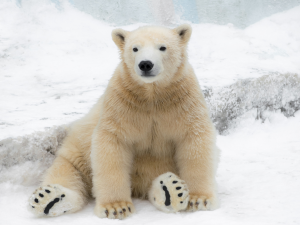
The polar bear is common in the Arctic, like the arctic fox. It is not improbable that polar bears and foxes have in some cases become companions on their journey south to Iceland from the Arctic regions, as they are known to help each others while hunting. Polar bears do not live in Iceland, although they do arrive every once in a while.